
Overview
Storms can cause immediate and hidden roof damage from wind, hail, heavy rain, or fallen debris. This guide outlines the correct steps U.S. homeowners should take after a storm to protect their property, document damage, and plan effective roof repairs.
Common Types of Storm Roof Damage
- Wind damage: Lifted or missing shingles, exposed underlayment
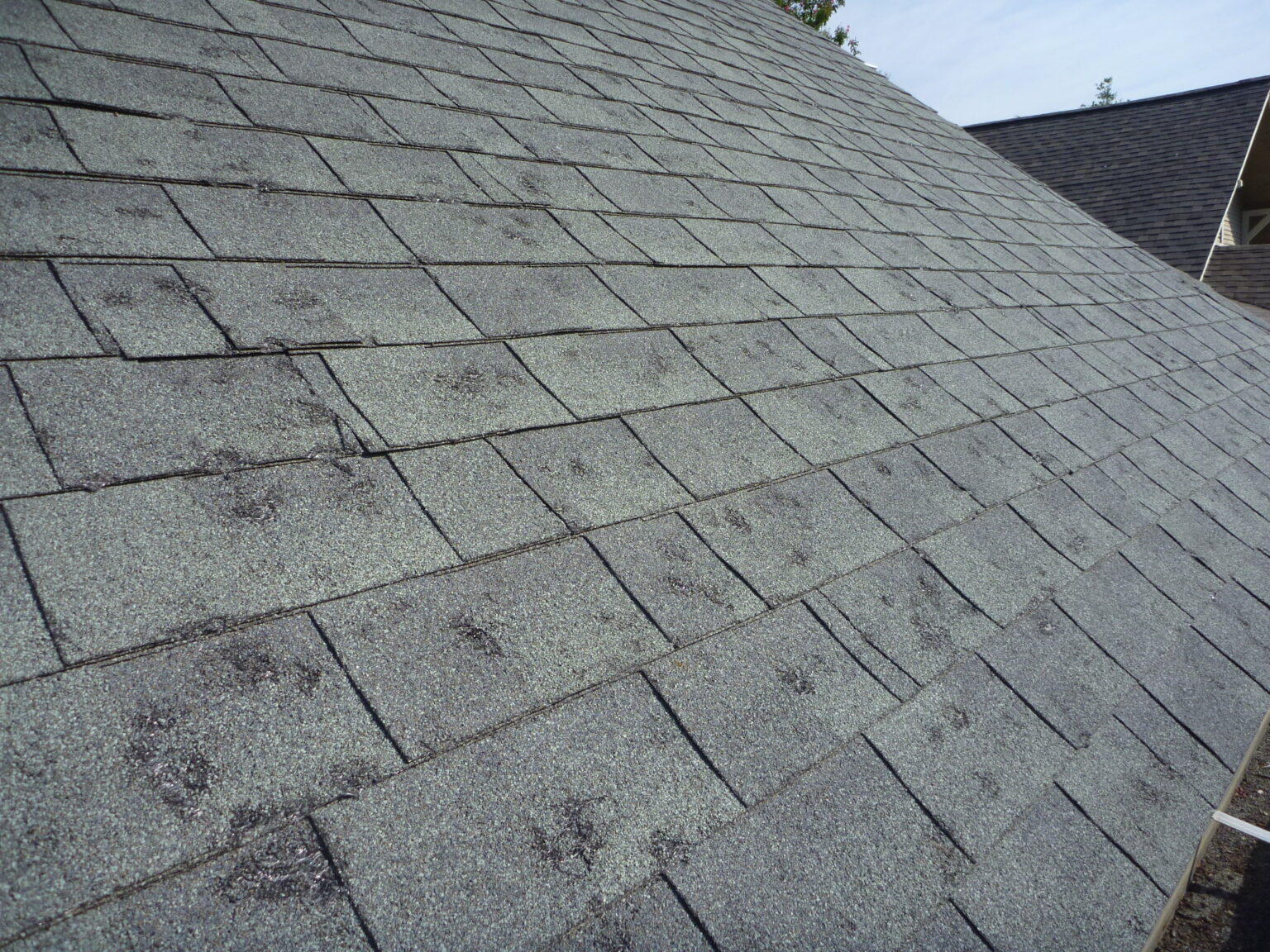
- Hail damage: Granule loss, dents, cracked shingles
- Water intrusion: Leaks, ceiling stains, mold risk
- Debris impact: Punctures from branches or flying objects
Some damage is not visible from the ground.
Step 1: Prioritize Safety
After a storm:
- Avoid climbing onto the roof
- Watch for downed power lines
- Keep children and pets away from damaged areas
If active leaks exist, place buckets and protect valuables indoors.
Step 2: Perform a Visual Inspection
From the ground or attic, look for:
- Missing or curled shingles
- Debris on the roof
- Water stains or damp insulation
Take clear photos and videos for records.
Step 3: Prevent Further Damage
Temporary measures can reduce additional loss:
- Install emergency tarps (professionally if possible)
- Clear debris from gutters and drains
- Cover exposed areas promptly
Temporary repairs help limit water damage and may be required by insurers.
Step 4: Schedule a Professional Roof Inspection
A licensed roofing contractor can:
- Identify hidden damage
- Determine repair vs replacement
- Provide written documentation and estimates
Professional reports strengthen insurance claims.
Step 5: Contact Your Insurance Company
Notify your insurer promptly. Be prepared with:
- Date and description of the storm
- Photos and inspection reports
- Repair estimates
Avoid authorizing permanent repairs before claim approval unless necessary to prevent further damage.
Repair vs Replacement After a Storm
- Repair: Suitable for localized damage on newer roofs
- Replacement: Recommended for widespread damage or aging roofs
Insurance coverage often depends on material conditions and policy terms.
Avoiding Storm Repair Scams
Be cautious of contractors who:
- Demand full payment upfront
- Pressure immediate decisions
- Offer to “waive” deductibles
- Lacks local references or licensing
Verify credentials and obtain multiple estimates.
Conclusion
Prompt action after storm damage is critical. Documenting damage, preventing further loss, and working with qualified professionals improve repair outcomes and protect insurance coverage.