

Overview
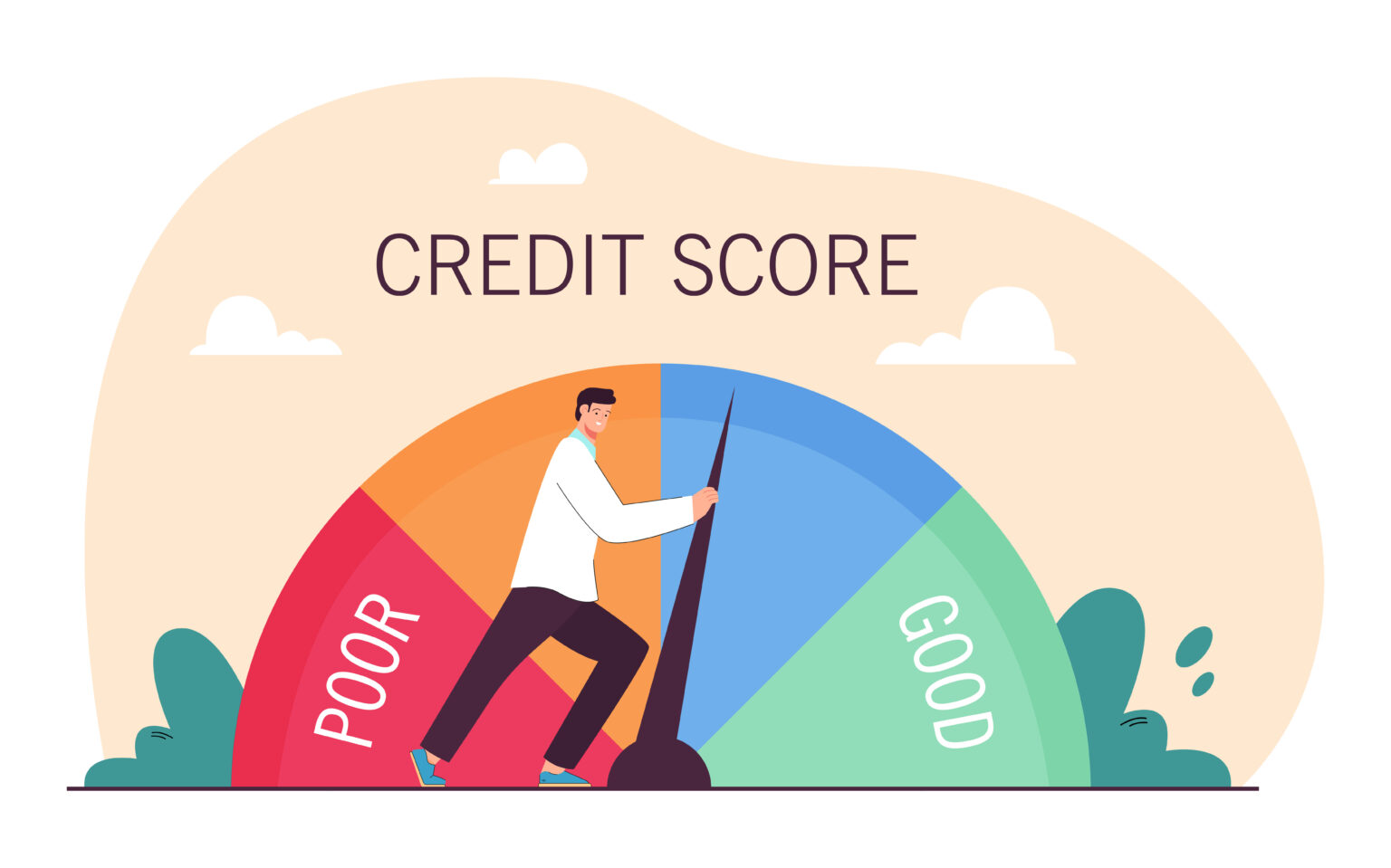
Credit scores influence loan approvals, interest rates, insurance premiums, and even rental applications in the United States. This guide explains how credit scores work and provides practical steps to improve them over time.
What Is a Credit Score?
A credit score is a numerical summary of your creditworthiness, typically ranging from 300 to 850. Lenders use it to assess risk.
General ranges:
- Excellent: 750+
- Good: 700–749
- Fair: 650–699
- Poor: Below 650
Higher scores usually qualify for better loan terms.
What Affects Your Credit Score?
Key factors include:
- Payment history (35%)
- Credit utilization (30%)
- Length of credit history (15%)
- Credit mix (10%)
- New credit inquiries (10%)
Improving the largest factors yields the fastest results.
Step 1: Check Your Credit Reports
Review reports from the major bureaus to:
- Identify errors
- Confirm account balances
- Detect fraud or unfamiliar accounts
Correcting errors can lead to quick score improvements.
Step 2: Pay Bills on Time
Consistent, on-time payments are the most important factor. Even one missed payment can negatively affect scores.
Tips:
- Set automatic payments
- Use reminders
- Pay at least the minimum due
Step 3: Reduce Credit Utilization
Credit utilization measures how much available credit you use.
Best practices:
- Keep utilization below 30%
- Aim for 10–20% for optimal results
- Pay down revolving balances first
Step 4: Avoid Unnecessary Credit Applications
Each hard inquiry can temporarily lower scores. Apply for new credit only when necessary.
Step 5: Keep Old Accounts Open
Longer credit history improves scores. Closing old accounts can increase utilization and reduce average account age.
Step 6: Build Credit Strategically
Options include:
- Secured credit cards
- Credit-builder loans
- Authorized user status (when used responsibly)
Building credit takes time, but consistency matters.
How Long Does Credit Improvement Take?
- Minor improvements: 1–3 months
- Moderate improvements: 3–6 months
- Major improvements: 6–12+ months
Progress depends on starting score and actions taken.
Common Credit Score Myths
- Checking your own credit hurts your score (false)
- Closing accounts always helps (false)
- Income affects your score directly (false)
Understanding myths prevents harmful decisions.
Conclusion
Improving your credit score in the USA requires consistent payment behavior, controlled borrowing, and regular monitoring. Small, disciplined steps produce meaningful long-term benefits.