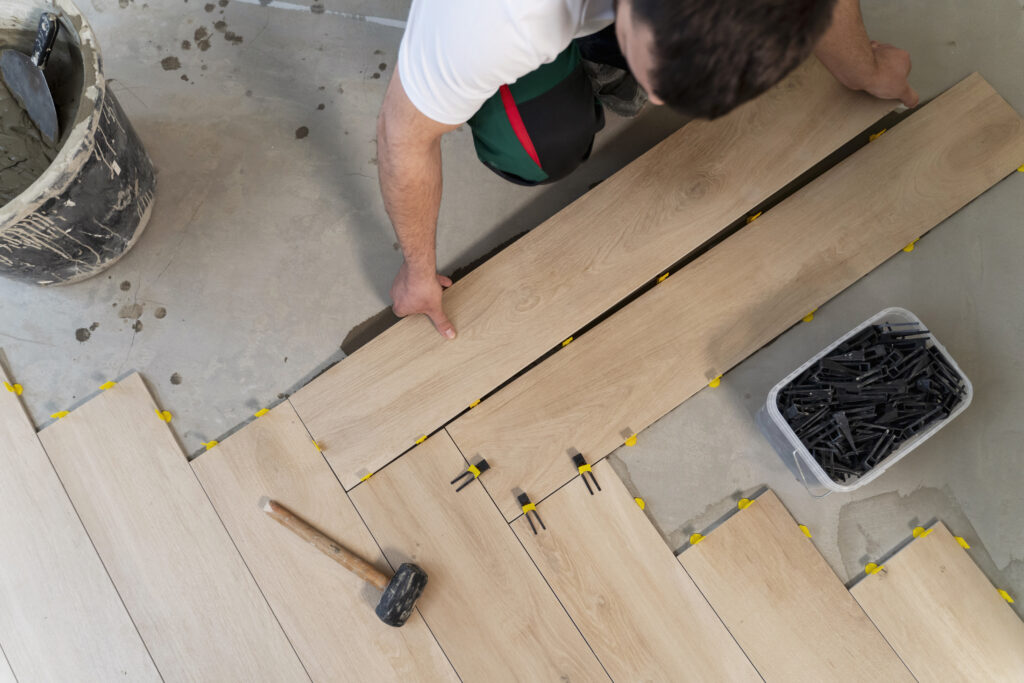

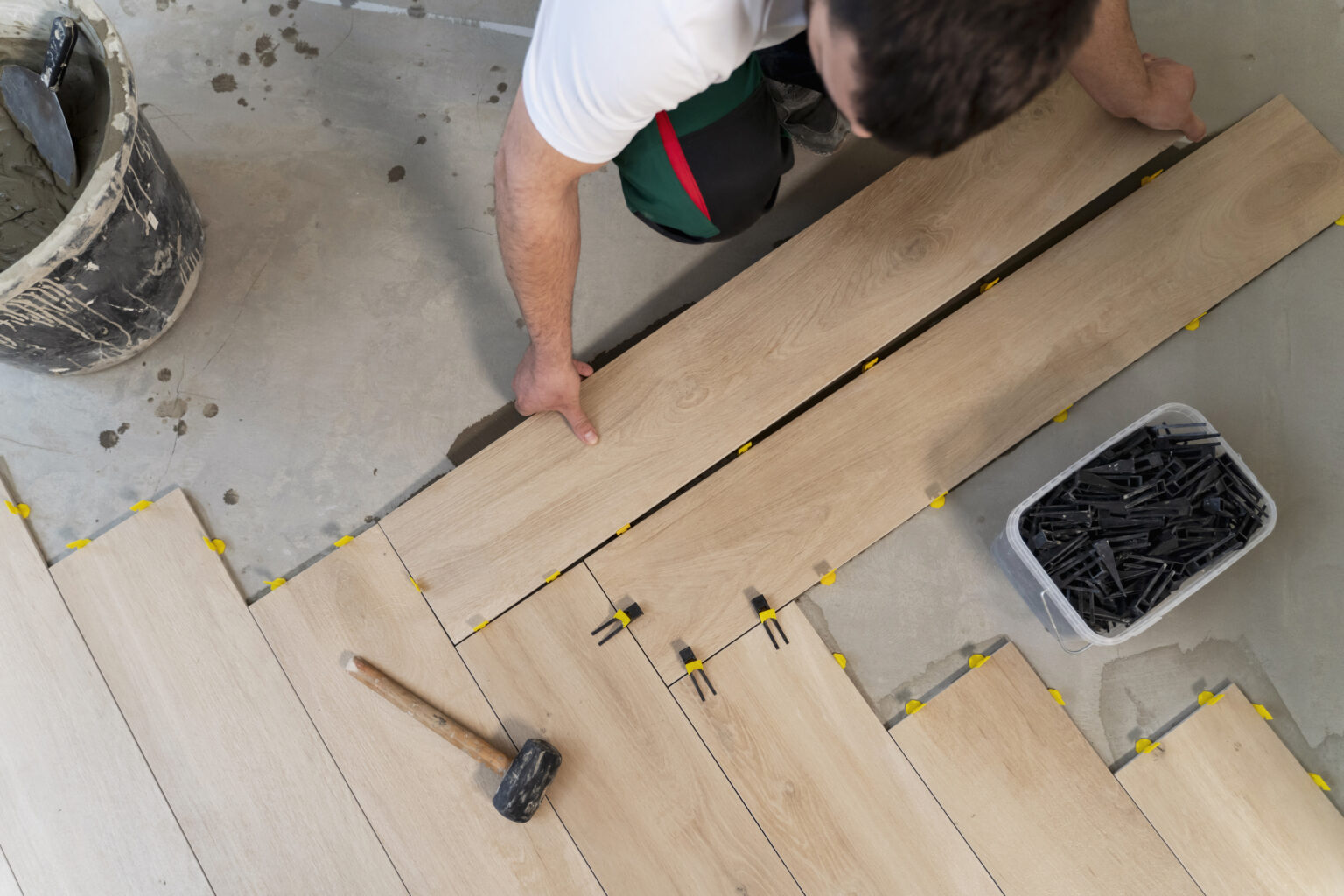
Flooring renovation is one of the most effective ways to refresh a home’s appearance, comfort, and value. Worn, damaged, or outdated floors can make even well-designed interiors feel neglected. Renovating existing flooring or replacing it strategically allows homeowners to modernize their space without a full remodel.
This guide explains flooring renovation options, common renovation scenarios, and how homeowners approach flooring upgrades efficiently.
What Is Flooring Renovation?
Flooring renovation focuses on improving existing floors through repair, refinishing, partial replacement, or full upgrades. Unlike new construction flooring, renovation projects often involve working around existing structures and layouts.
Typical flooring renovation projects include:
- Refinishing hardwood floors
- Replacing damaged sections
- Upgrading old materials to modern options
- Fixing uneven or noisy floors
Floor renovation is often chosen for both aesthetic and functional reasons.
1. Signs Your Floors Need Renovation
Over time, floors show visible and functional wear. Recognizing early signs can prevent more expensive repairs later.
Common indicators include:
- Scratches, stains, or discoloration
- Loose or creaking floorboards
- Water damage or warping
- Uneven or sunken areas
Addressing these issues early extends floor lifespan and improves safety.
2. Popular Flooring Renovation Options
Homeowners renovate floors in different ways depending on budget, condition, and goals.
Popular renovation methods include:
- Hardwood floor refinishing
- Vinyl or laminate replacement
- Tile floor upgrades
- Carpet removal and replacement
Each option offers different durability, cost, and maintenance benefits.
3. Room-by-Room Flooring Renovation Considerations
Different rooms place different demands on flooring materials.
Examples:
- Living areas: refinished hardwood or luxury vinyl
- Bedrooms: warmer, quieter flooring
- Kitchens: moisture-resistant and durable surfaces
- Bathrooms: waterproof flooring solutions
Tailoring renovation choices by room improves long-term performance.
4. Flooring Renovation Costs and Budget Planning
Renovation costs vary based on several factors:
- Type of flooring material
- Extent of repairs or replacement
- Subfloor condition
- Labor requirements
Planning a renovation budget early helps avoid unexpected expenses and delays.
5. Common Flooring Renovation Mistakes to Avoid
Some renovation problems arise from poor planning or rushed decisions.
Mistakes to avoid:
- Ignoring subfloor damage
- Choosing unsuitable materials
- Skipping moisture protection
- Underestimating installation complexity
Avoiding these errors ensures better results and fewer future repairs.
6. Benefits of Professional Flooring Renovation
Professional renovators bring experience and technical knowledge that improve outcomes.
Benefits include:
- Proper surface preparation
- Accurate material installation
- Time-efficient project completion
- Long-term durability
Professional renovation often saves money by preventing future damage.
7. Maintaining Renovated Floors
After renovation, maintenance plays a key role in preserving results.
Basic maintenance tips:
- Use appropriate cleaning products
- Protect floors from heavy furniture
- Address spills promptly
- Schedule routine inspections
Well-maintained floors retain value and appearance longer.
Related Flooring Renovation Topics
If you are researching renovation solutions, expert flooring services, or upgrade options, explore the topics below.