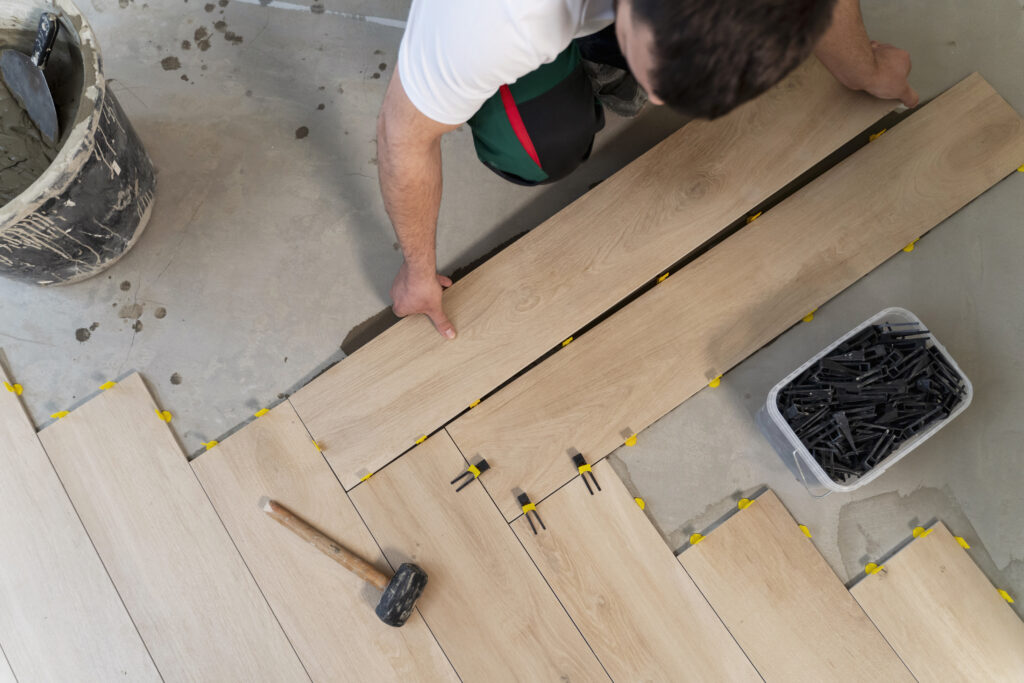


Flooring plays a major role in the look, comfort, and durability of any home. Whether you are renovating a single room or upgrading an entire property, choosing the right flooring and ensuring proper installation is essential. Poor installation can shorten the lifespan of flooring, while professional installation enhances durability, appearance, and long-term value.
This guide explains common flooring types, installation considerations, and how homeowners approach flooring projects efficiently.
Why Professional Flooring Installation Matters
Even high-quality flooring can fail if installed incorrectly. Uneven surfaces, moisture issues, and improper alignment often result in premature damage.
Benefits of proper flooring installation include:
- Longer floor lifespan
- Better resistance to wear and moisture
- Improved indoor appearance
- Higher property value
Most homeowners research installation options before committing to a flooring upgrade.
1. Common Types of Flooring for Residential Homes
Different rooms require different flooring materials. Understanding your options helps narrow down the right solution.
Popular flooring types include:
- Hardwood flooring
- Laminate flooring
- Vinyl plank flooring
- Tile and ceramic flooring
- Carpet flooring
Each material has unique installation requirements that affect cost, durability, and maintenance.
2. Preparing a Home for Flooring Installation
Preparation is one of the most important steps in any flooring project. Skipping this phase often results in uneven surfaces and long-term issues.
Preparation typically includes:
- Removing old flooring
- Inspecting subfloors
- Leveling surfaces
- Addressing moisture problems
Proper preparation ensures smooth installation and consistent results.
3. Room-by-Room Flooring Considerations
Different areas of a home have different flooring needs.
Examples:
- Living rooms: hardwood or laminate for appearance
- Bedrooms: carpet or vinyl for comfort
- Bathrooms: tile or waterproof vinyl
- Kitchens: durable, moisture-resistant flooring
Choosing the right flooring for each room improves both function and longevity.
4. Flooring Installation Costs and What Affects Pricing
Flooring installation costs vary depending on several factors:
- Type of flooring material
- Room size and layout
- Subfloor condition
- Labor complexity
Understanding these factors helps homeowners budget realistically and avoid surprises.
5. Common Flooring Installation Mistakes to Avoid
Homeowners sometimes attempt DIY installations without realizing the risks.
Common mistakes include:
- Ignoring subfloor issues
- Incorrect spacing or alignment
- Poor moisture protection
- Using the wrong adhesives or tools
Avoiding these mistakes protects both the flooring material and the home structure.
6. Benefits of Hiring Flooring Installation Professionals
Professional installers bring experience, tools, and technical knowledge that most homeowners lack.
Advantages include:
- Faster installation timelines
- Proper material handling
- Warranty-backed workmanship
- Reduced long-term repair costs
Professional installation often saves money in the long run.
7. Maintaining Floors After Installation
Proper maintenance extends the life of newly installed flooring.
General tips:
- Clean using manufacturer-approved products
- Address spills immediately
- Avoid dragging heavy furniture
- Schedule routine inspections
Good maintenance preserves appearance and durability.
Related Flooring Installation Topics
If you are researching professional flooring installation services, material options, or expert guidance, explore the resources below.