
Roofing decisions directly affect home protection, energy efficiency, and resale value. This guide explains when roof repair is sufficient, when full replacement is the better investment, and how costs and lifespan compare for U.S. homeowners.
Understanding Roof Repair
Roof repair addresses localized damage such as missing shingles, small leaks, flashing issues, or minor storm damage. Repairs are typically faster and less expensive than replacement.
Best for:
- Isolated damage
- Newer roofs
- Budget-conscious short-term fixes
When Roof Replacement Makes Sense
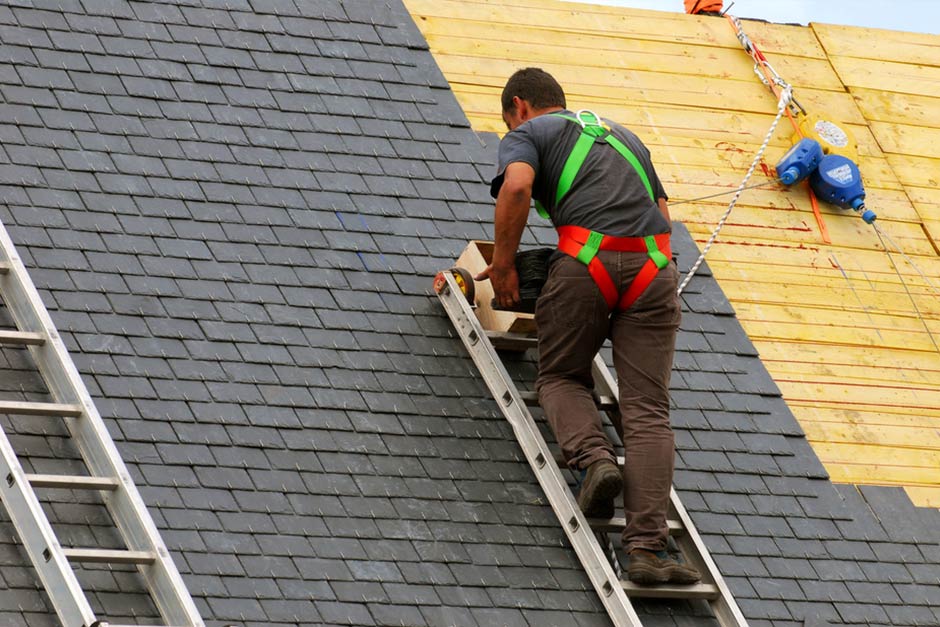
Roof replacement involves removing old materials and installing a new roofing system. It is recommended when damage is widespread or the roof is nearing the end of its lifespan.
Best for:
- Aging roofs
- Structural damage
- Repeated repairs
- Long-term ownership plans
Cost Comparison (USA Averages)
- Roof repair: $300–$1,500
- Roof replacement: $8,000–$20,000+
Costs vary by material, roof size, pitch, and labor rates.
Roof Lifespan by Material
- Asphalt shingles: 15–30 years
- Metal roofing: 40–70 years
- Tile/slate: 50+ years
Choosing durable materials can reduce lifetime costs.
Impact on Home Value
A new roof can:
- Improve curb appeal
- Increase resale value
- Reduce buyer concerns
- Improve energy efficiency
Roof repairs offer limited resale impact.
Energy Efficiency Considerations
Modern roofing materials improve insulation and reflectivity, potentially reducing heating and cooling costs.
How to Decide
Consider:
- Roof age
- Repair history
- Extent of damage
- Long-term ownership plans
- Budget and financing options
Professional inspections provide clarity.
Conclusion
Roof repair works for minor, isolated issues, while roof replacement offers long-term reliability and value. Choosing the right solution depends on roof condition, cost considerations, and plans