

Overview
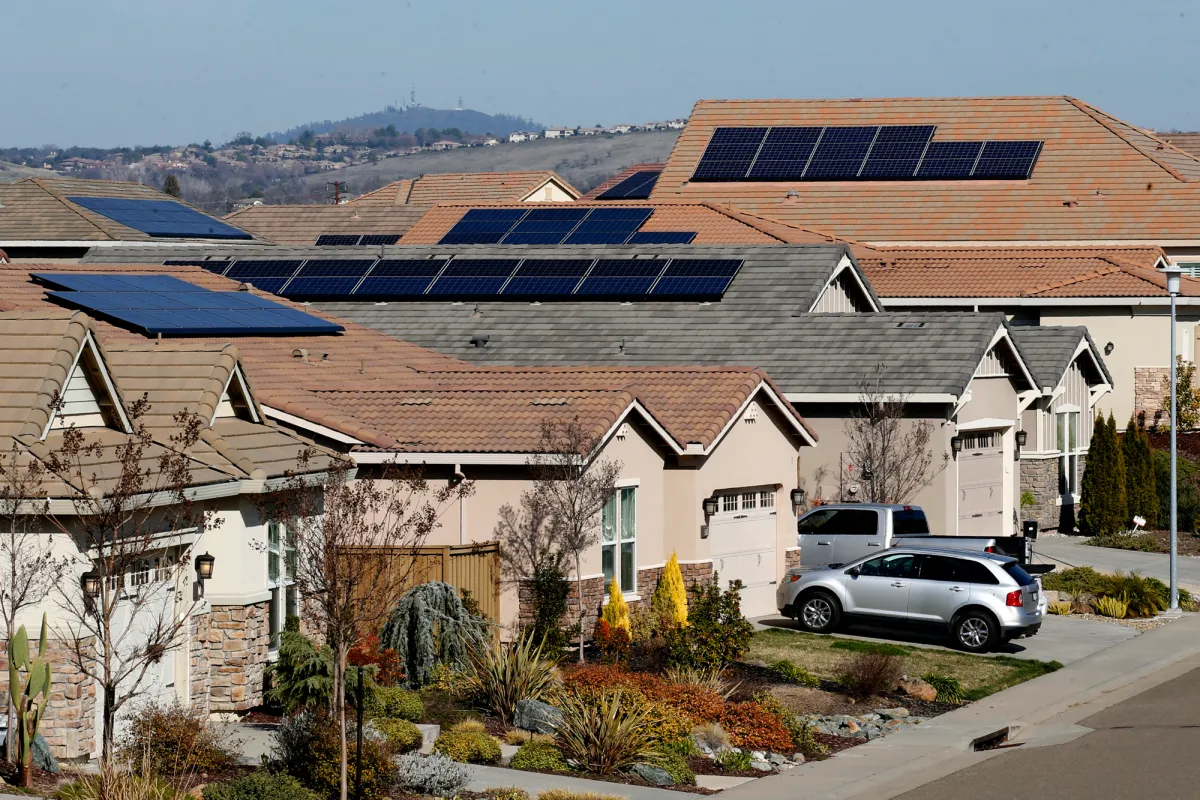
Solar panel costs in the United States vary by state due to differences in electricity rates, sunlight levels, labor costs, permitting rules, and local incentives. This guide summarizes average prices, expected payback periods, and key factors that influence cost by location.
Average Solar Costs in the USA
National averages (before incentives):
- Residential: $2.50–$3.50 per watt
- Commercial: $1.80–$2.80 per watt
A typical 6–8 kW residential system ranges from $15,000–$28,000 before incentives.
Solar Costs by State (Typical Ranges)
California
- Cost per watt: $2.70–$3.40
- Payback: 5–7 years
- Notes: High electricity rates; strong long-term savings despite policy changes.
Texas
- Cost per watt: $2.40–$3.10
- Payback: 7–10 years
- Notes: Strong sunlight; incentives vary by utility.
Florida
- Cost per watt: $2.50–$3.20
- Payback: 8–11 years
- Notes: Good solar production; fewer state incentives.
New York
- Cost per watt: $2.80–$3.60
- Payback: 6–9 years
- Notes: Higher installation costs offset by incentives and rates.
Arizona
- Cost per watt: $2.30–$3.00
- Payback: 6–8 years
- Notes: Excellent solar resource; strong ROI.
Actual pricing depends on system size, roof complexity, and installer.
What Affects Solar Costs by State
- Electricity rates: Higher rates shorten payback
- Sun exposure: More sun = higher production
- Labor & permitting: Varies by region
- Local incentives: State rebates and utility programs
- Net metering rules: Credit value for excess power
Incentives That Reduce Final Cost
- Federal solar tax credit (when applicable)
- State and local rebates
- Utility incentives
- Performance-based incentives (where offered)
Incentives can reduce upfront costs by 20–40% in some states.
Payback Period Explained
Payback is the time it takes for energy savings to equal the net installation cost. In most U.S. states, payback ranges from 6 to 12 years, with systems continuing to generate savings for decades.
How to Estimate Your Local Cost
To estimate accurately:
- Review 12 months of electricity usage
- Request quotes from multiple local installers
- Confirm applicable incentives and net metering rules
- Compare cost per watt, not just total price
Conclusion
Solar panel costs differ significantly by state, but long-term savings are achievable in most U.S. markets. Understanding local pricing, incentives, and electricity rates is essential to evaluating solar’s financial value.