
Solar panel installation has become a practical option for U.S. homeowners and businesses seeking predictable energy costs and long-term savings. This guide explains how installation works, what it costs in 2026, available incentives, and how to select a qualified installer.
What Is Solar Panel Installation?
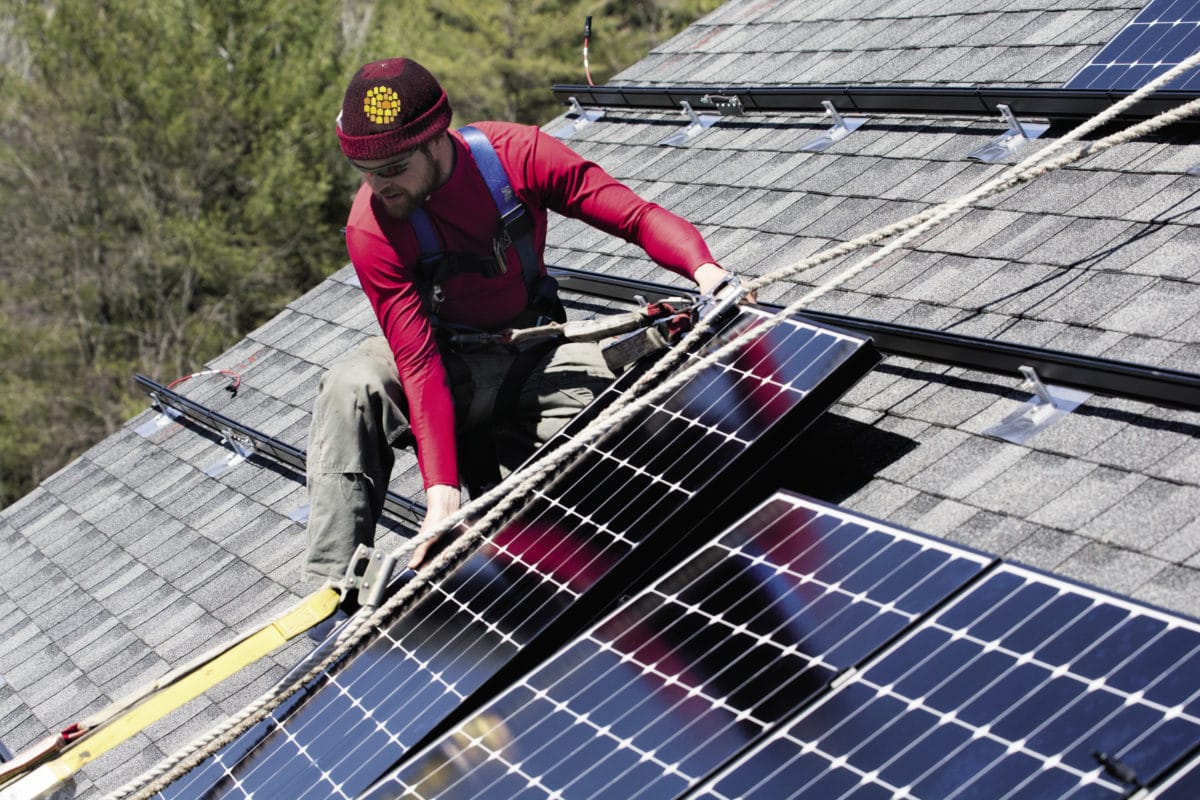
Solar panel installation involves mounting photovoltaic (PV) panels on a roof or ground system, connecting them to an inverter, and integrating the system with the property’s electrical panel. Excess electricity can be credited through net metering, depending on state rules.
Residential vs Commercial Solar
- Residential solar systems typically range from 5–10 kW and are designed to offset household electricity usage.
- Commercial solar systems are larger, engineered for higher loads, and often use different financing structures.
Solar Installation Cost in the USA (2026)
Average installed prices before incentives:
- Residential: $2.50–$3.50 per watt
- Commercial: $1.80–$2.80 per watt
Typical residential total: $15,000–$28,000 (before tax credits).
Final cost varies by state, roof type, system size, and equipment quality.
Federal Solar Tax Credit
The federal solar tax credit allows eligible property owners to deduct a percentage of installation costs from federal income taxes. It applies to panels, inverters, mounting hardware, labor, and some battery systems. State and utility incentives may further reduce costs.
Solar Installation Process (Step-by-Step)
- Site evaluation and energy usage review
- System design and permitting
- Equipment installation
- Inspection and utility interconnection
- System activation and monitoring setup
Most residential projects are completed within 1 to 3 days after permits are approved.
Choosing a Solar Company Near You
When evaluating installers:
- Verify licensing and insurance
- Review warranties (equipment + workmanship)
- Ask for system performance estimates
- Confirm experience with local permitting
Avoid high-pressure sales tactics or vague savings claims.
Is Solar Worth It in the USA?
Solar is typically cost-effective when:
- Electricity rates are moderate to high
- Roof orientation allows sufficient sun exposure
- Incentives and net metering are available
Payback periods commonly range from 6 to 12 years, with systems lasting 25 years or more.
Frequently Asked Questions
Do solar panels work in cloudy states? Yes. Output is lower, but systems are designed using local sunlight data.
Can solar increase home value? Studies indicate homes with solar often sell at a premium.
Is maintenance expensive? Maintenance costs are generally low.
Conclusion
Solar panel installation in the USA offers measurable long-term benefits when planned correctly. Understanding costs, incentives, and the selection of installers is essential to maximizing returns.